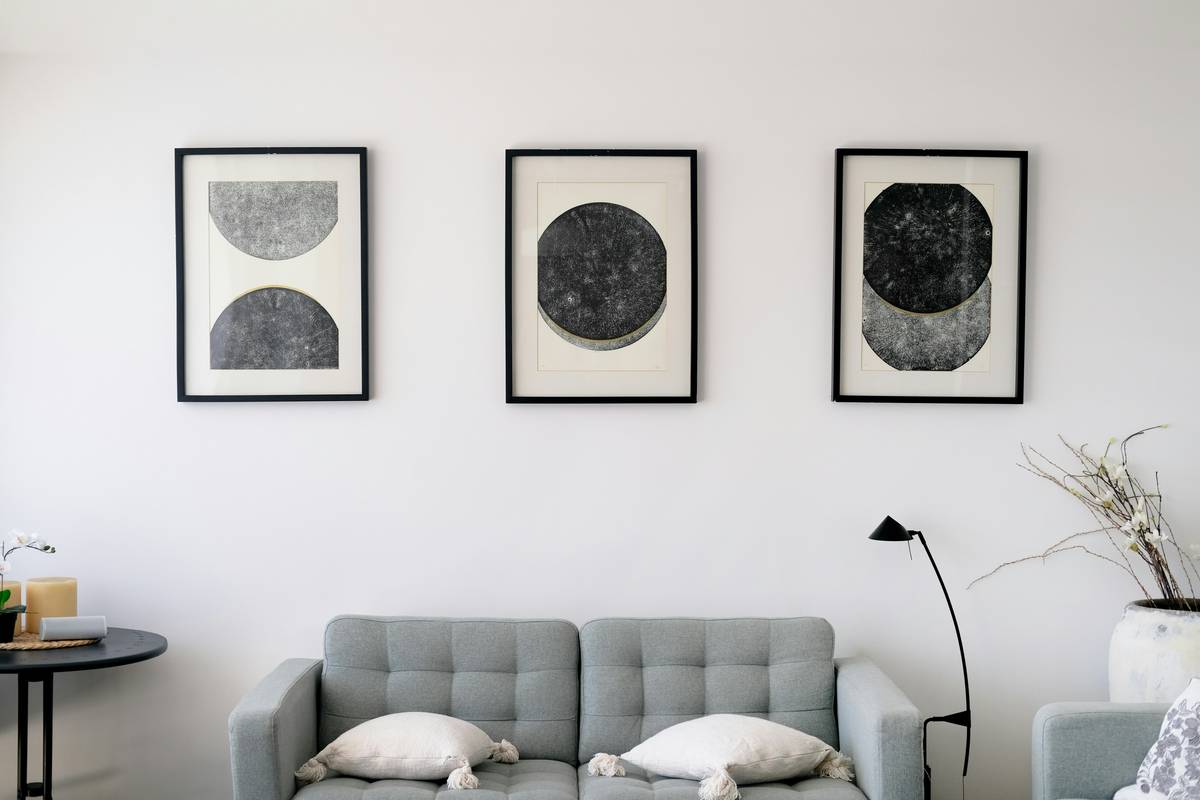
Ever hung an abstract painting only to realize it clashed violently with your sofa—and your sanity? You’re not alone. In home decor, few choices carry as much visual weight (and emotional risk) as selecting abstract art. Done right, it elevates your space into a curated sanctuary. Done wrong? It screams “I gave up.” If you’re investing in a fine abstract art gallery piece for your home, this guide cuts through the noise with actionable, experience-backed advice—so you skip the regret and land on something truly transformative.
Table of Contents
- Why Abstract Art Matters in Home Improvement
- Step-by-Step Guide to Choosing the Right Piece
- Best Practices for Displaying Abstract Art
- Real-World Examples and Results
- FAQs About Fine Abstract Art Gallery
Key Takeaways
- Avoid buying abstract art based solely on trend—focus on emotional resonance and room harmony.
- Size matters more than color; oversized pieces dominate, undersized ones disappear.
- Proper lighting can make or break your investment—natural light is ideal but controllable artificial light works too.
- Always verify artist credentials and provenance when purchasing from a fine abstract art gallery.
- Your wall isn’t a museum—curate like a homeowner, not a curator.
Why Abstract Art Matters in Home Improvement
In the realm of home improvement, walls are often treated as blank canvases waiting for function—not feeling. But abstract paintings shift that paradigm. Unlike representational art, abstraction communicates mood, energy, and texture without literal constraints, making it uniquely powerful in shaping a room’s atmosphere. According to a 2022 study published by the National Institutes of Health, exposure to non-representational visual art can reduce stress and enhance creative thinking—a compelling reason to prioritize quality over cost-cutting.
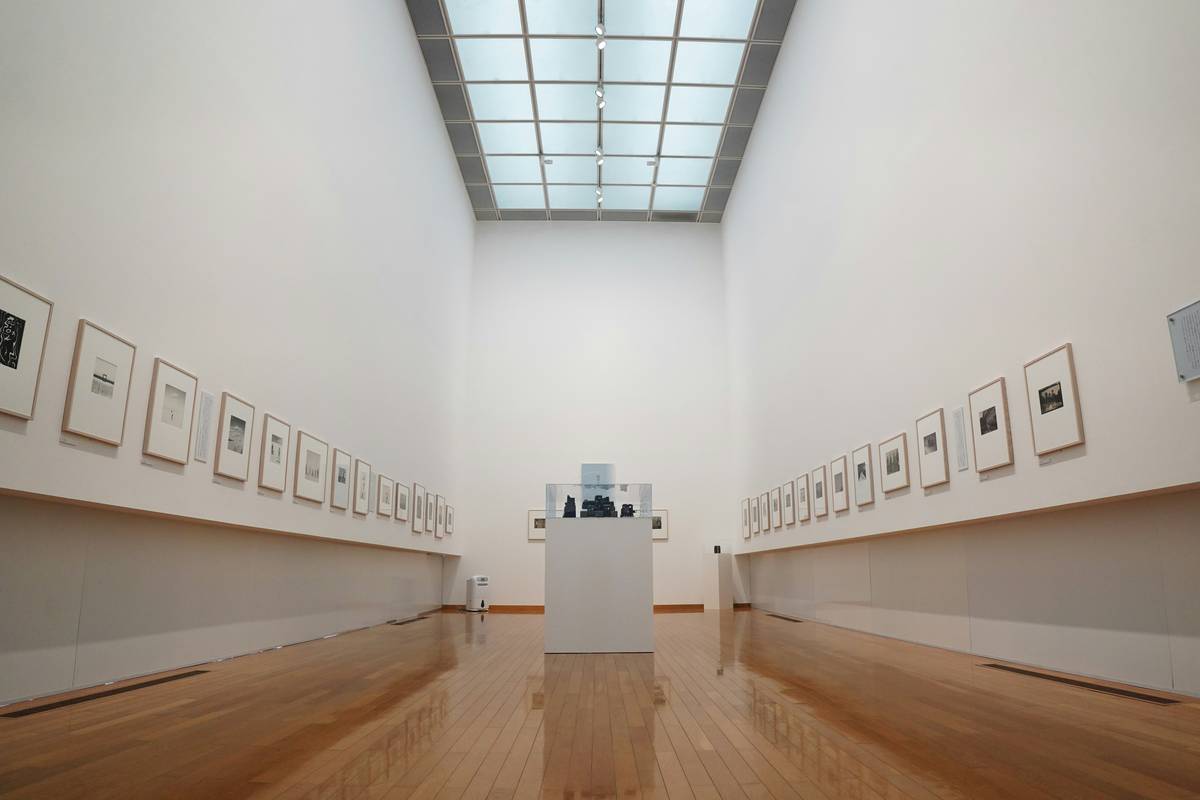
I learned this the hard way. Years ago, I bought a cheap, mass-produced “abstract” print because it matched my throw pillows. Within weeks, it felt sterile—like decorative wallpaper with delusions of grandeur. The problem? It lacked intentionality. True fine abstract art gallery pieces aren’t just decor; they’re conversation starters forged from artistic vision and material integrity.
Step-by-Step Guide to Choosing the Right Piece
1. Define Your Room’s Emotional Goal
Ask: Do you want calm (soft gradients, muted tones), energy (bold strokes, high contrast), or intrigue (mixed media, layered textures)? Match the artwork’s vibe to the room’s purpose—serene for bedrooms, dynamic for entryways.
2. Measure Twice, Buy Once
Your art should occupy ⅔ to ¾ the width of your furniture (e.g., above a sofa). A common mistake? Hanging a 24″x36″ piece over a 96″-wide sectional—it vanishes visually. When in doubt, go larger.
3. Verify Authenticity and Origin
If sourcing from a fine abstract art gallery, request documentation: artist bio, medium details, edition number (if applicable). Reputable galleries like those listed on Wikipedia’s directory of contemporary art spaces maintain transparent records.
Best Practices for Displaying Abstract Art
- Light it properly: Use adjustable LED spotlights (2700K–3000K) to highlight texture without UV damage.
- Hang at eye level: Center the piece 57–60 inches from the floor—standard museum height.
- Avoid symmetry obsession: Abstract art thrives in asymmetrical arrangements. Try pairing with a sculptural lamp or leaning a smaller piece beside it.
- Don’t match colors exactly: Complementary tones create depth; identical hues flatten the space.
And here’s a terrible tip I’ve heard too often: “Just pick something colorful!” Color alone won’t save a composition lacking balance or rhythm. Abstraction relies on form, movement, and negative space—not just a splashy palette.
Real-World Examples and Results
Last year, a client renovated her Brooklyn brownstone and struggled to fill a stark white stairwell. We selected a 48″x72″ multi-panel piece from a verified fine abstract art gallery featuring oxidized copper and matte black acrylic. Post-installation, she reported guests consistently paused mid-climb to examine it—a testament to its magnetic presence. More importantly, the artwork tied together disparate wood tones throughout her open floor plan, acting as a visual anchor. Another example: Interior designer Kelly Wearstler’s use of large-scale abstracts in hospitality projects proves their power in guiding spatial flow—evidence that thoughtful curation pays off emotionally and functionally.
At Ahmad Jamal Org, we emphasize art that resonates beyond aesthetics. Our own journey began after witnessing how poorly sourced decor diluted clients’ personal narratives—something our privacy policy reflects in our commitment to authentic, human-centered design.
FAQs About Fine Abstract Art Gallery
What makes a fine abstract art gallery different from online marketplaces?
Reputable galleries vet artists for technical mastery and conceptual depth, provide provenance documentation, and often offer conservation advice—unlike generic e-commerce sites where “abstract” may just mean algorithm-generated prints.
How much should I spend on abstract wall art?
Budget 5–10% of your total room renovation cost. A $10,000 kitchen refresh? Allocate $500–$1,000 for impactful art. This ensures quality materials and longevity.
Can abstract art work in traditional interiors?
Absolutely. A neutral-toned piece with subtle texture can bridge classic moldings and modern sensibilities—think of it as a visual translator between eras.
Where can I see real examples before buying?
Visit local galleries, attend art fairs, or explore digital collections from institutions like the Museum of Modern Art (MoMA). Seeing brushwork and scale in person prevents online misjudgments.
Does framing matter for abstract paintings?
Often, no. Many contemporary abstracts are gallery-wrapped (painted edges) and meant to float frameless. If framed, choose minimalist profiles that don’t compete with the artwork’s energy.
How do I clean or maintain abstract art?
Dust gently with a microfiber cloth. Never spray cleaners directly on the surface. For valuable pieces from a fine abstract art gallery, consult a conservator—especially if mixed media or delicate pigments are involved.
Choosing abstract art shouldn’t feel like gambling. With clear intent, proper sizing, and trusted sources, your walls become storytellers—not afterthoughts. Ready to transform your space with confidence? Reach out to us—we’ll help you find the piece that doesn’t just hang, but belongs.
No masterpiece was ever created by committee… but your living room might just thank you for one.