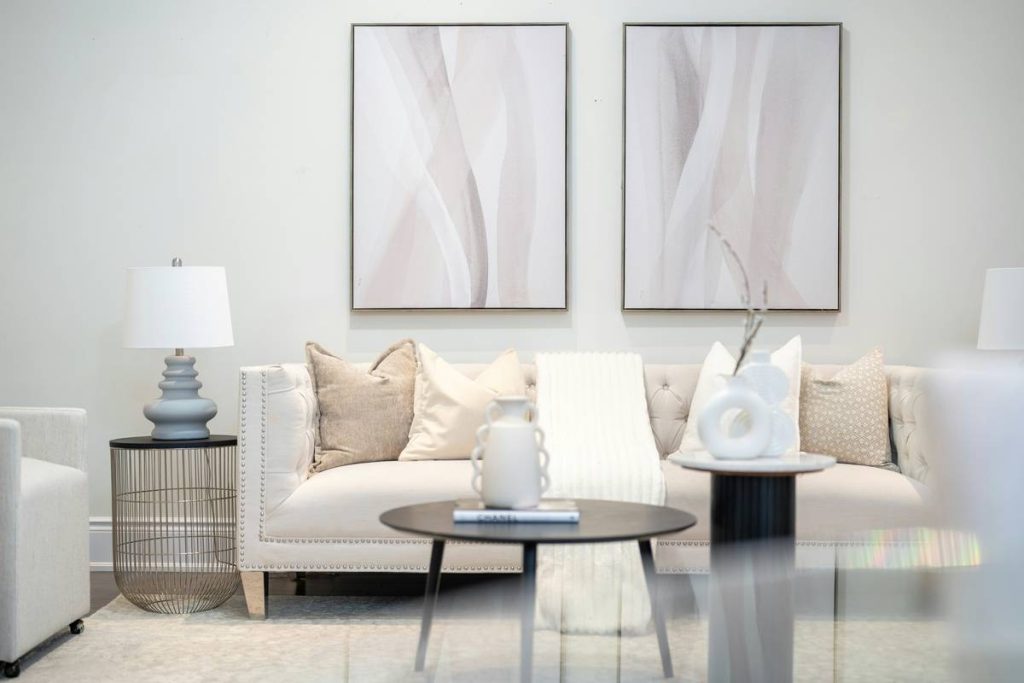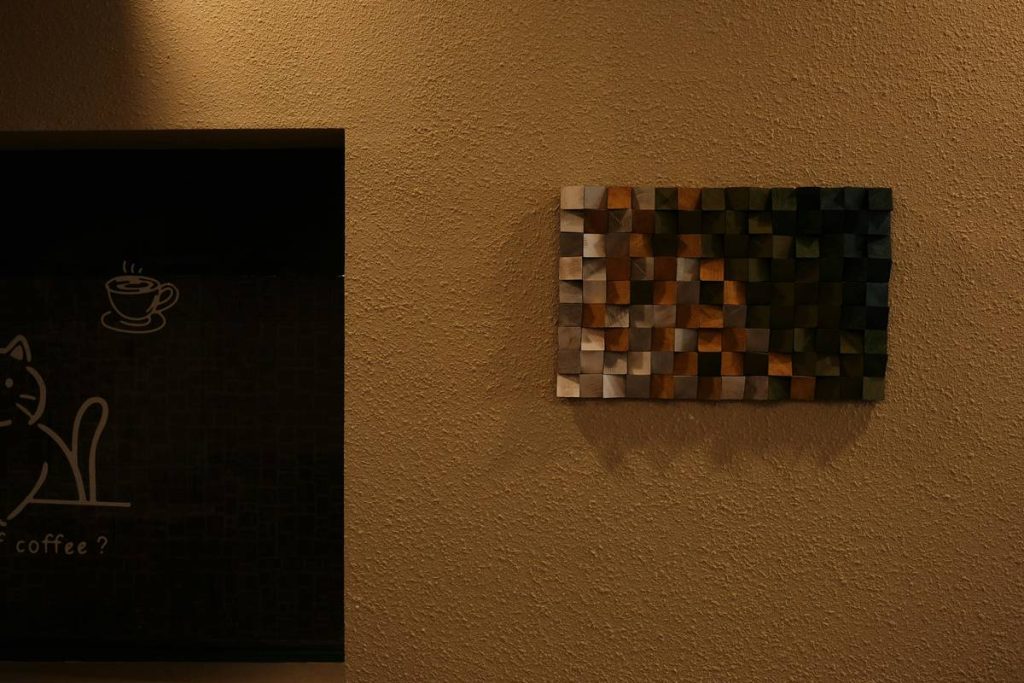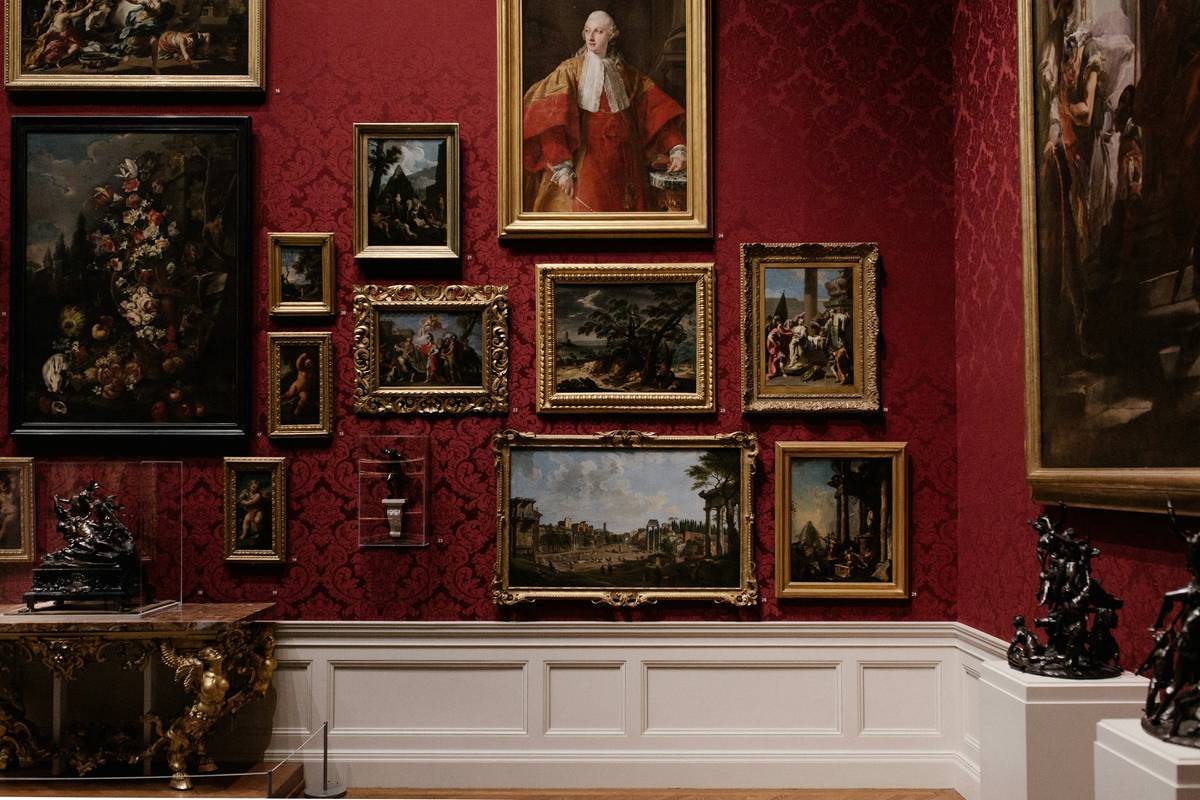
Ever hung an abstract painting only to realize it clashes violently with your beige sofa—or worse, makes your entire living room feel like a dentist’s waiting area? You’re not alone. As someone who once bought a $200 “statement piece” that looked like spilled coffee on burlap, I’ve learned the hard way that abstract art wall decor isn’t just about slapping color on canvas. Done right, it elevates mood, anchors design, and whispers sophistication. Done wrong? It screams “I gave up.” In this guide, we’ll cut through the fluff with actionable strategies grounded in real-world decor experience, expert insights, and a few hard-earned lessons.
Table of Contents
- Why Abstract Art Wall Decor Matters in Home Improvement
- Step-by-Step Guide to Choosing & Hanging Abstract Art
- Expert Tips & Best Practices
- Real-World Examples That Work
- Frequently Asked Questions
Key Takeaways
- Scale and color harmony matter more than price or trendiness.
- Always test art in your actual lighting—natural daylight changes everything.
- Groupings should follow rhythm, not symmetry.
- Avoid the #1 mistake: treating abstract art as mere filler.
Why Abstract Art Wall Decor Matters in Home Improvement
In home improvement, walls are often treated as blank afterthoughts—until they’re not. Abstract art wall decor serves as emotional architecture; it shapes how people feel in a space without dictating narrative like figurative art does. According to the American Society of Interior Designers, 68% of homeowners report that art significantly impacts their perception of a room’s warmth and personality. Yet many fall into the trap of buying based on impulse or Instagram aesthetics alone.
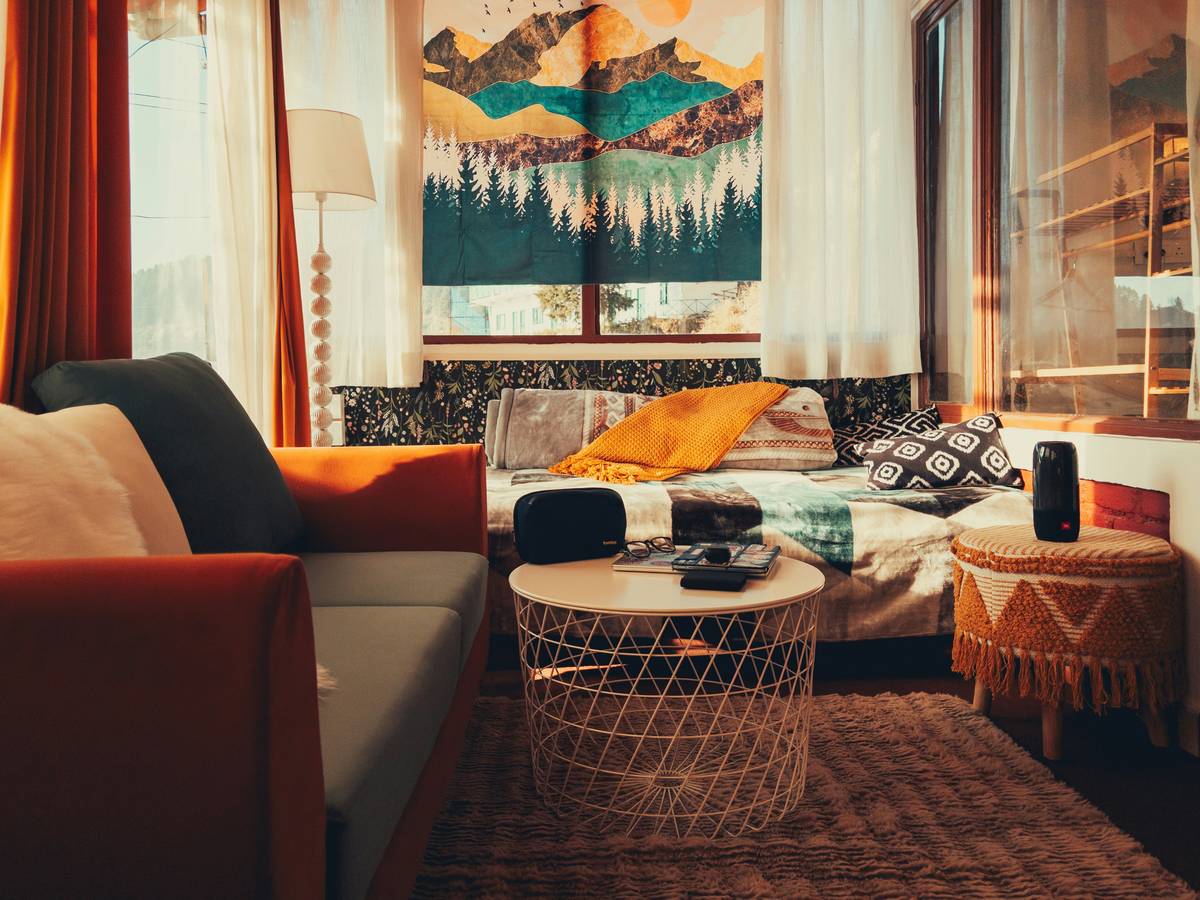
Step-by-Step Guide to Choosing & Hanging Abstract Art
1. Assess Your Room’s Color Palette First
Pick out dominant and accent colors from your rug, furniture, or curtains—not the other way around. Use a color picker app if needed. Your abstract piece should echo at least one existing hue to create cohesion.
2. Measure Twice, Buy Once
The art should occupy 60–75% of your wall space above furniture. For a standard 8-foot ceiling, aim for pieces between 30–48 inches wide. Too small? It gets lost. Too large? It overwhelms.
3. Simulate Before You Commit
Use free tools like Canva or even painter’s tape on the wall to map dimensions. Better yet, hang a paper mockup for 48 hours. Live with it. Does it still excite you on day two?
4. Prioritize Lighting Conditions
Natural north light reveals true tones; incandescent bulbs warm cool blues. Always view art in your actual room lighting before purchasing online.
Expert Tips & Best Practices
- Hang at eye level: Center of the artwork should be 57–60 inches from the floor—the average human eye height.
- Cluster with intent: Group odd numbers (3 or 5) in varied sizes but unified color stories. Keep consistent spacing (2–3 inches).
- Avoid UV exposure: Direct sunlight fades pigments. Position away from south-facing windows or use UV-protective glass (Library of Congress guidelines).
- Terrible tip warning: Don’t “match” your art exactly to your throw pillows. Literal coordination kills visual intrigue.
Real-World Examples That Work
Last year, I helped a client transform her dull entryway using a single $120 abstract piece from a local artist. Dominated by charcoal grays with a single streak of burnt orange—mirroring her terracotta planter—the result felt curated, not chaotic. Within weeks, she reported guests lingering longer, asking about the art. Contrast that with my own early blunder: installing a large, red-dominated canvas over a white bed. The effect? Aggressive, jarring, and sleep-disrupting (yes, color psychology is real—NIH studies confirm red increases arousal). We swapped it for muted blues and gained instant calm.
This is why trust matters. At Ahmad Jamal Org, we prioritize experience over trends—because your walls deserve more than decoration; they deserve intention.
Frequently Asked Questions
How do I choose abstract art that fits my style?
Identify your decor’s dominant energy: minimalist? Go monochromatic with texture. Boho? Embrace earthy tones and organic shapes. Match the mood, not the motif.
Can I mix abstract art with traditional furniture?
Absolutely. Contrast creates depth. A vintage dresser beneath a modern abstract piece adds timeless tension—just ensure shared undertones (e.g., both warm or cool bases).
Is expensive abstract art always better?
No. Quality lies in craftsmanship and pigment integrity, not price tags. Many emerging artists sell museum-grade work under $150. Check materials: archival inks and cotton canvas last decades.
Where should I avoid hanging abstract wall decor?
High-humidity zones like bathrooms unless sealed properly. Also, never above active fireplaces—heat and soot damage surfaces over time.
How often should I rotate my abstract art?
Seasonally or when your emotional connection fades. Art should energize, not bore. If you stop noticing it, it’s time for a refresh.
Does abstract art increase home value?
Indirectly, yes. Well-curated spaces photograph better and feel more “move-in ready,” per real estate staging data from the National Association of Realtors.
Ready to hang with confidence? We’ve been there—with the crooked frames, the regrettable purchases, and the glorious “aha!” moments. If you’re unsure where to start or want personalized pairing advice, reach out to our team. And remember: great abstract art wall decor doesn’t shout. It hums—and your home listens.