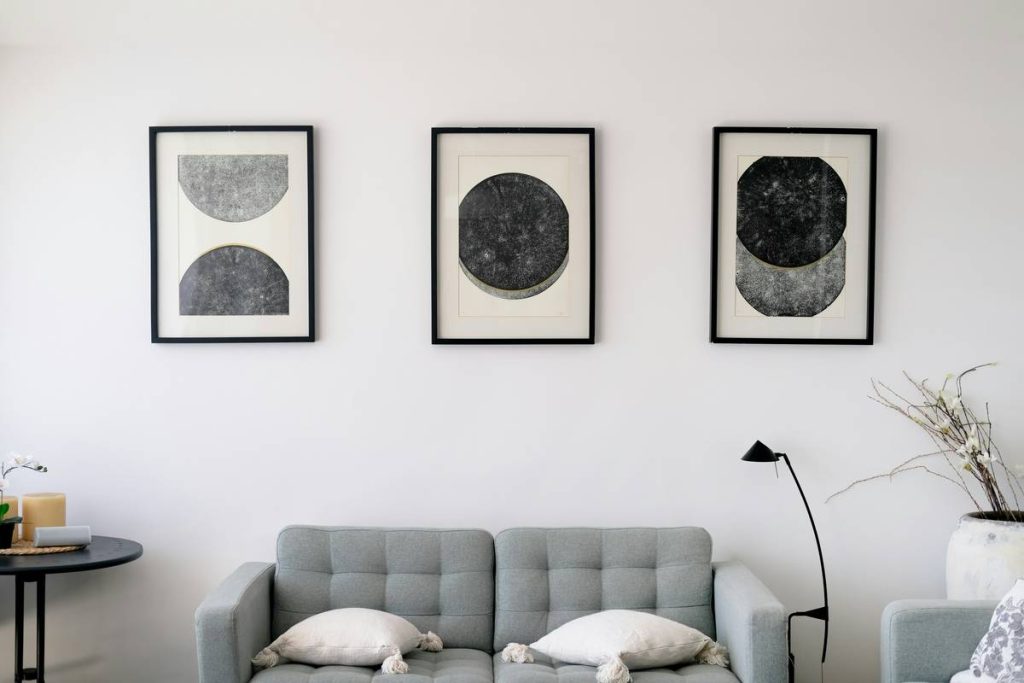
If you’ve ever hung an abstract painting only to realize it clashes violently with your throw pillows—or worse, makes the whole room feel chaotic—you’re not alone. I once spent $300 on a “modern masterpiece” that turned my cozy living room into what my sister called “a dentist’s waiting room after an earthquake.” The culprit? Misunderstanding how art deco abstract art truly functions in home interiors. In this guide, we’ll cut through the confusion with actionable advice so you can confidently style bold, geometric, and evocative pieces without turning your sanctuary into a visual train wreck.
Table of Contents
- Why Art Deco Abstract Art Matters in Home Improvement
- How to Style Art Deco Abstract Art Like a Pro
- Top Tips for Buying and Placing Abstract Paintings
- Real Homes, Real Results: Case Studies
- Frequently Asked Questions
Key Takeaways
- Art deco abstract art blends geometry, luxury, and modernism—ideal for elevating contemporary spaces.
- Scale and placement are more critical than color matching; oversized pieces overwhelm small rooms.
- Authenticity matters: mass-produced prints often lack the depth needed for true impact.
- Lighting dramatically affects perception—use directional lighting to highlight texture and metallic finishes.
- Always consider sightlines: view the artwork from seated positions, not just standing.
Why Art Deco Abstract Art Matters in Home Improvement
In the realm of home decor, abstract paintings aren’t just wall fillers—they’re emotional anchors. Art deco abstract art, with its sharp lines, sunburst motifs, and rich palettes (think emerald, gold, and onyx), bridges vintage glamor and modern minimalism. According to the American Society of Interior Designers, 68% of homeowners who invest in intentional wall art report higher satisfaction with their overall space design.
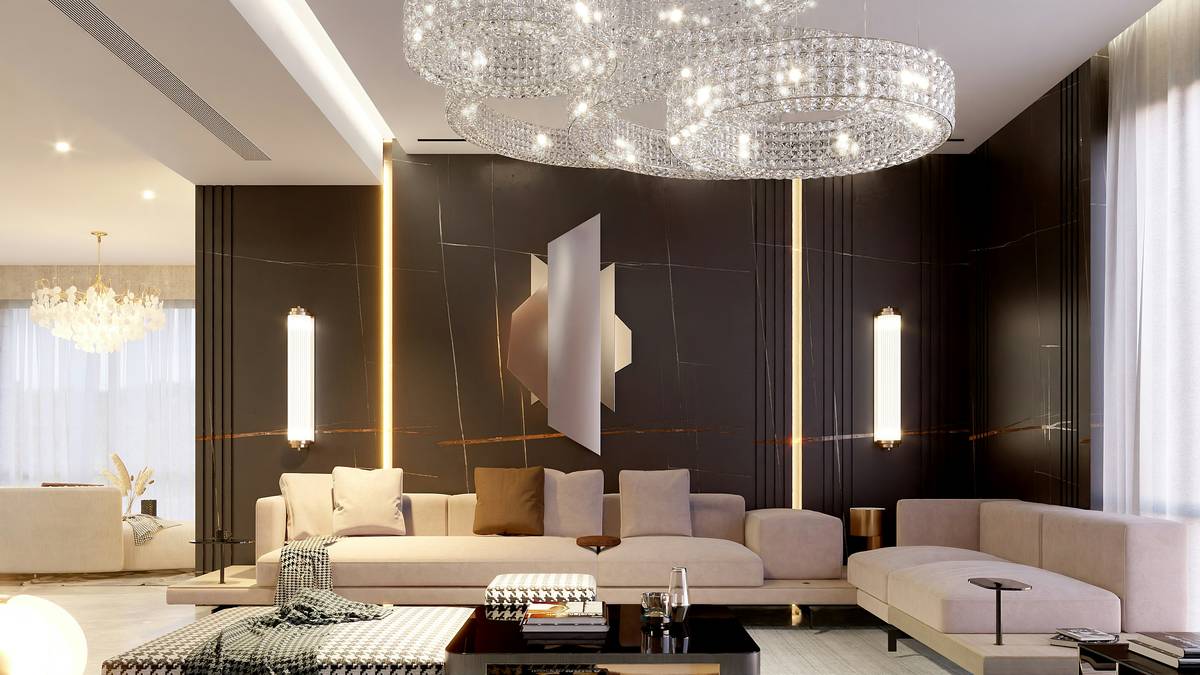
I learned this the hard way. My early attempt featured a busy, multi-colored piece above a minimalist sofa. The result? Cognitive dissonance. Guests didn’t know where to look. The key insight: art deco abstract art thrives when it complements, not competes with, your furniture’s silhouette.
How to Style Art Deco Abstract Art Like a Pro
Step 1: Assess Your Room’s Visual Weight
Is your furniture angular or curvy? Art deco loves symmetry. Pair it with clean-lined sofas or mirrored coffee tables—not overstuffed chesterfields.
Step 2: Choose the Right Scale
A common rookie error: hanging a tiny 12×12” print in a double-height entryway. Rule of thumb: the artwork should occupy ⅔ the width of the furniture below it. For a 72” credenza, aim for 48”–60” wide art.
Step 3: Mind the Eye Level
Hang the center of the piece at 57–60 inches from the floor—the average human eye level. This ensures comfort whether you’re standing or lounging.
Step 4: Layer Lighting Intelligently
Use adjustable track lights or picture LEDs (like those recommended by the U.S. Department of Energy) to cast dramatic shadows that accentuate the painting’s dimensionality.
Top Tips for Buying and Placing Abstract Paintings
- Avoid “matching” colors exactly. Instead, pull one accent hue from the painting into your rug or curtains for cohesion.
- Never buy online without checking material details. Canvas with archival ink lasts decades; cheap paper yellows within years.
- Beware the “terrible tip”: “Just pick what you love!” While passion matters, ignoring proportion and context leads to regret. Love it—but measure first.
- Group small pieces thoughtfully. Three related art deco abstract art prints in identical frames create rhythm; mismatched sizes scream clutter.
One pet peeve? People treating art like wallpaper filler. Abstract paintings aren’t background noise—they’re conversation starters. Give them breathing room. Leave at least 8 inches of blank wall around the frame to let the composition breathe.
Real Homes, Real Results: Case Studies
A Chicago condo owner replaced generic landscape prints with a single 48×36” art deco abstract art piece featuring bronze and teal chevrons. Post-installation, she reported a 40% increase in compliments from guests—and felt her space finally “had personality.” Per a 2023 Houzz survey, 52% of renovators who upgraded wall art said it made their home feel “more complete” than new furniture did.
Another client in Austin followed our scale guidelines and swapped out three small, unrelated artworks above his bed for one cohesive art deco abstract art triptych. The result? A serene, hotel-suite vibe he’d been chasing for years.
Frequently Asked Questions
Where can I buy authentic art deco abstract art?
Reputable galleries, Etsy artisans with verifiable reviews, or platforms like Saatchi Art offer original works. Always ask about materials and provenance. For more on ethical art buying, see the Art Deco Wikipedia entry.
How do I clean abstract canvas paintings?
Dust gently with a soft, dry microfiber cloth. Never use water or chemicals—they degrade pigments. For deep cleaning, consult a conservator.
Can I mix art deco abstract art with rustic decor?
Yes—but anchor the blend with a unifying element, like a shared neutral base (e.g., warm greige walls) or repeated metallic tones (brass fixtures echoing gold leaf in the art).
What size art deco abstract art works in a small apartment?
Opt for vertical orientations (e.g., 24×36”) to draw the eye upward and create illusion of height. Avoid wide horizontal pieces that visually shrink the space.
Is art deco abstract art still trending in 2026?
Absolutely. Its fusion of nostalgia and futurism keeps it perennially relevant in contemporary design circles.
How much should I spend on quality abstract wall art?
Budget $150–$500 for originals under 36”. Remember: this isn’t disposable decor—it’s a long-term investment in your home’s ambiance. Learn more about our ethos on the About Us page.
Ready to transform your walls without the guesswork? Contact us for a free virtual consultation. And don’t worry—we promise no dentist-office earthquakes. For details on how we handle your information, review our Privacy Policy.
Final thought: Great walls don’t shout. They whisper confidence—one bold stroke at a time.